

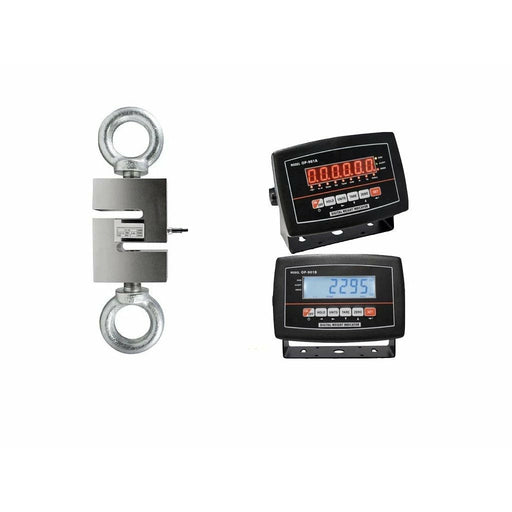


What are crane scales?
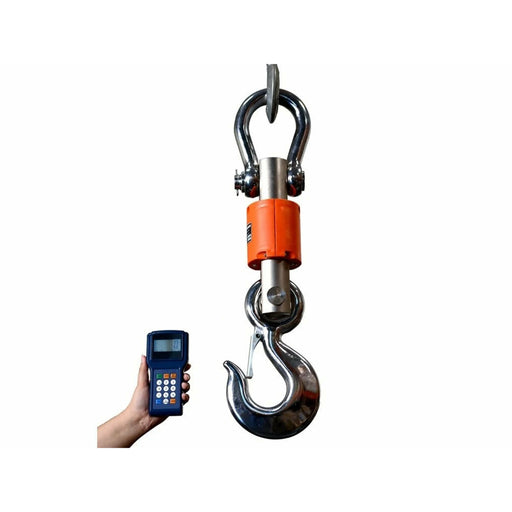
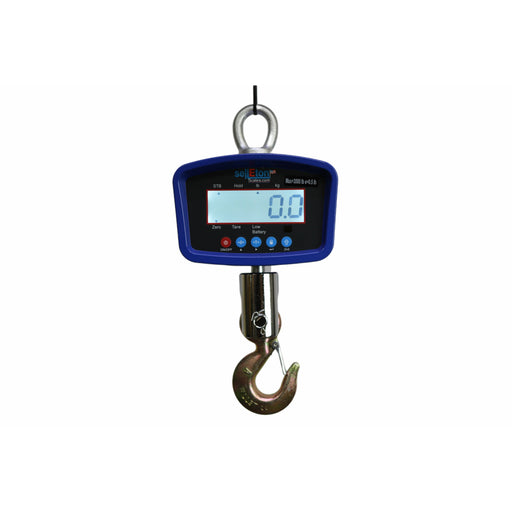
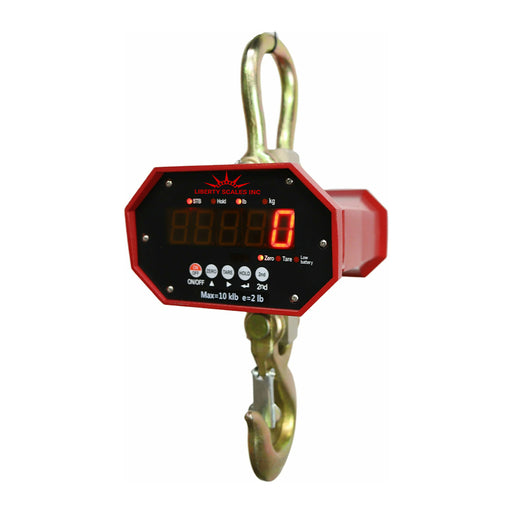
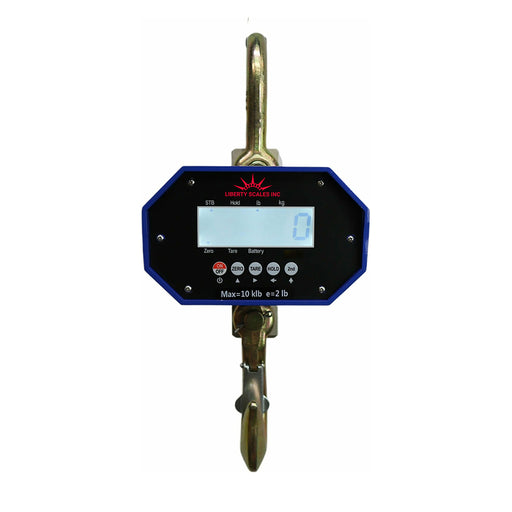
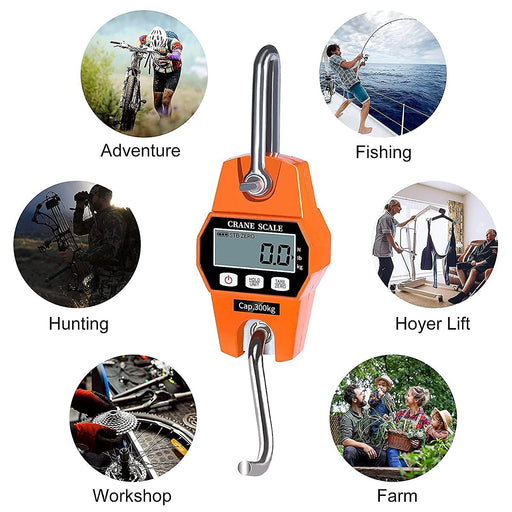
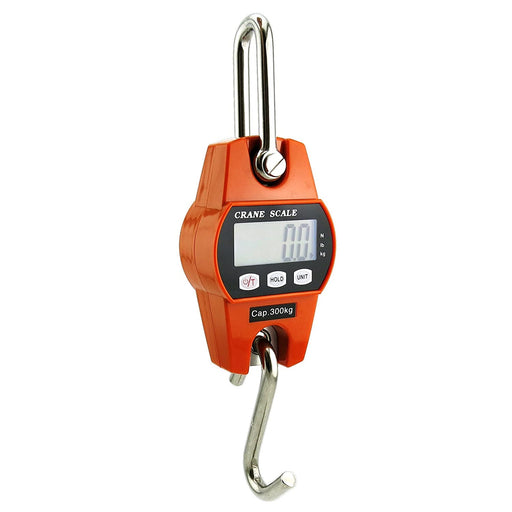
Crane scales are robust weighing devices designed for measuring the weight of heavy loads typically lifted by cranes in industrial settings. These scales hang from the crane's hook and securely attach to the load, allowing for real-time weight measurement.
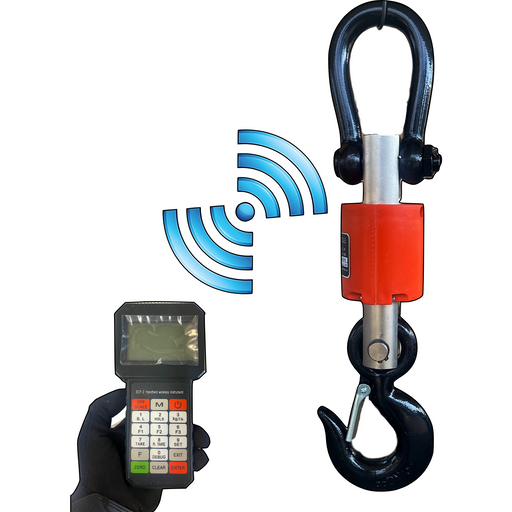
Crane scales come in various types, including digital and wireless models, offering precision and convenience. They are essential in logistics, manufacturing, construction, and shipping industries, where accurate load weight is critical for safety, compliance, and operational efficiency.
How to choose the right crane scale for your needs?
Choosing the right crane scale involves considering several key factors to ensure it meets your specific requirements:
- Capacity: Select a scale with a maximum weight capacity that exceeds your heaviest anticipated load to avoid overloading.
- Accuracy: Determine the level of precision needed for your operations. Higher accuracy might be necessary for certain industries or applications.
- Durability: Look for a scale built to withstand your working environment, including factors like weather, temperature, and potential impacts.
- Display: Choose a scale with a clear, easily readable display. Consider if you need a large screen or remote display capabilities for outdoor or large-scale operations.
- Power Source: Decide between battery-operated or rechargeable scales based on your usage patterns and the availability of power sources in your operation area.
- Connectivity: If you need to transmit data or integrate with other systems, look for scales with wireless, Bluetooth, or other connectivity options.
- Certifications and Compliance: Ensure the scale meets industry standards and regulations, especially if used for commercial transactions or in regulated industries.
Can hanging scales be used for industrial purposes?
Yes, hanging scales are extensively used for industrial purposes. They are designed to measure the weight of materials and goods in various industrial settings, such as manufacturing plants, warehouses, construction sites, and logistics operations. Here are key reasons why hanging scales are suitable for industrial use:
- Versatility: Hanging scales can handle a wide range of weight capacities, making them suitable for different industrial applications, from weighing small components to large shipments.
- Durability: They are built to withstand harsh industrial environments, including exposure to dust, moisture, and mechanical impacts.
- Accuracy: Hanging scales provide precise weight measurements, essential for inventory management, quality control, and compliance with industry standards.
- Portability: Their compact and portable design allows for easy movement between locations, facilitating on-the-spot weighing in various operational contexts.
- Ease of Use: Designed for straightforward operation, hanging scales feature simple interfaces for quick and efficient weight readings.
- Safety: By allowing for remote weighing, hanging scales minimize the need for direct contact with heavy or hazardous materials, enhancing workplace safety.
How do industrial crane scales work?
Industrial crane scales measure the weight of loads lifted by cranes through a process involving a load cell and electronic components:
- Load Attachment: The load is attached to the scale, which is suspended from the crane.
- Force Measurement: A load cell within the scale measures the force exerted by the load.
- Signal Conversion: This force is converted into an electrical signal, then processed to calculate the weight.
- Display: The weight is displayed on a digital screen for the operator to read.
- Wireless Communication (optional): Some models can wirelessly transmit weight data to remote devices for convenience and safety.
This streamlined process ensures accurate, real-time weight measurements in industrial settings, enhancing safety and efficiency.
What features should I look for in a crane digital scale?
Liberty industrial crane digital scales are renowned for their exceptional features and reliability. Key features include:
- Durability: Built to withstand heavy and regular use.
- User-Friendly Design: Ensures ease of operation.
- Accurate Readings: Provides precise weight measurements.
- Water-Resistant Cover: Adds protection in various environments.
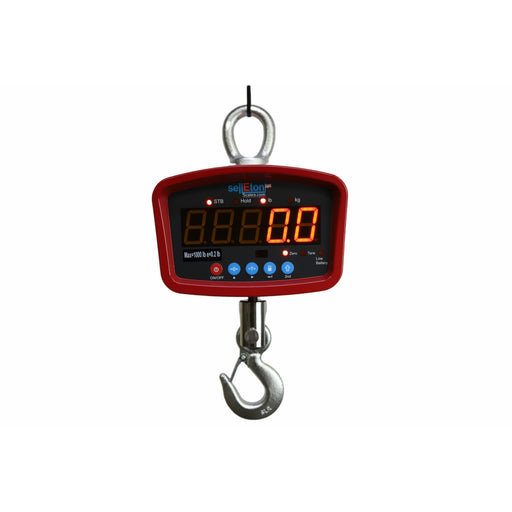
- Clear LCD Display: For easy reading of weight.
- Remote Control Operation: Enhances convenience in usage.
- Variety of Sizes and Prices: Catering to different needs and budgets.
These features combine to make Liberty hanging scales a top choice for industrial weighing needs, offering both functionality and quality assurance.
How Do I Purchase Digital Crane Scales From Liberty Scales?
Purchasing digital crane scales from Liberty Scales is straightforward and convenient through our online platform. Here's how to do it:
- Browse Our Stock: Visit our website and search for industrial crane scales for sale. Use the filters to adjust the price range and find your ideal scale.
- Select and Add to Cart: Once you've found the desired scale and confirmed its availability, add it to your cart.
- Proceed to Payment: Choose to continue shopping or proceed to the payment page. We accept various payment methods, including GPay, Amazon Pay, PayPal, and Shop Pay.
- Free Shipping Across the US: We offer free shipping to various locations throughout the Continental US. Ensure you provide accurate shipping address information for smooth delivery.
Our process is designed for ease and efficiency, ensuring a hassle-free purchase experience.
What Is the Maximum Weight I Can Measure Using Liberty's Wireless Crane Scale?
The maximum weight capacity of our wireless crane scales varies depending on the specific model. For example:
- LS-W-CR-6k Wireless Crane Scale: Can measure up to 6,000 lbs.
- LS-W-CR-10k Wireless Crane Scale: Suitable for weights up to 10,000 lbs.
- LS-W-CR-20k Wireless Crane Scale: Designed to handle up to 20,000 lbs.
We offer a range of scales to accommodate different weight requirements, ensuring you can find the right scale for your heavier weighing needs.
What is a digital crane scale and how does it work?
A digital crane scale is a weighing device designed to hang between a hook or shackle and the load being lifted. When the crane lifts the load, the scale measures the tension force on the hook using an internal load cell, converts that force reading to weight, and displays it on an integrated or remote digital indicator. Because the scale measures the actual lifting force in real time, operators get an accurate weight reading without placing the load on a floor scale or interrupting the lifting cycle. Most digital crane scales also include peak-hold, tare, and data output functions for production or compliance logging.
What is a tension link scale and how is it different from a hanging crane scale?
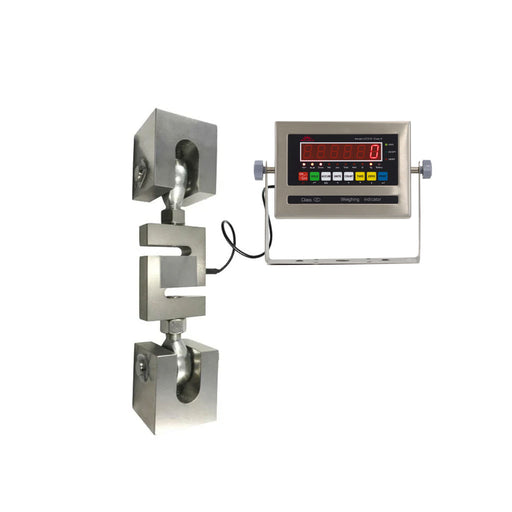
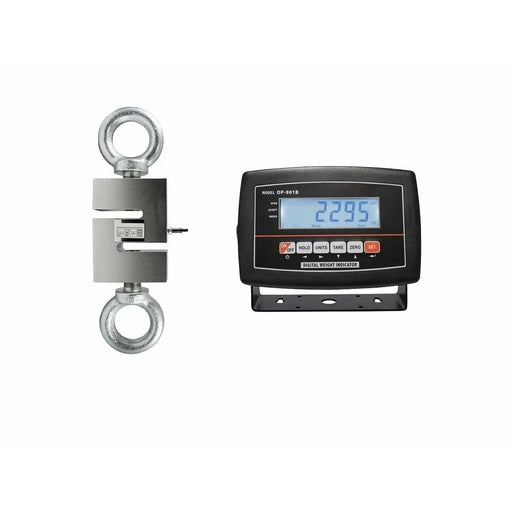
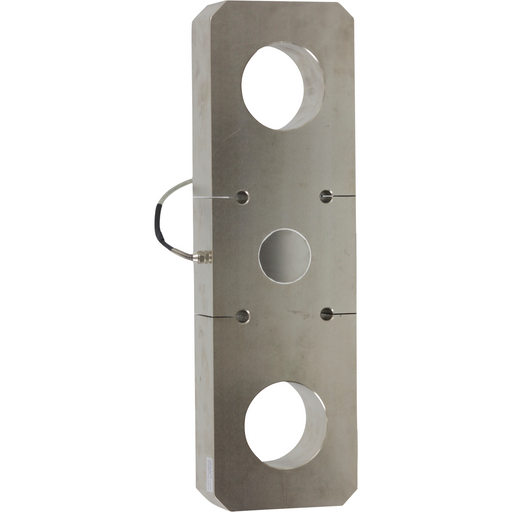
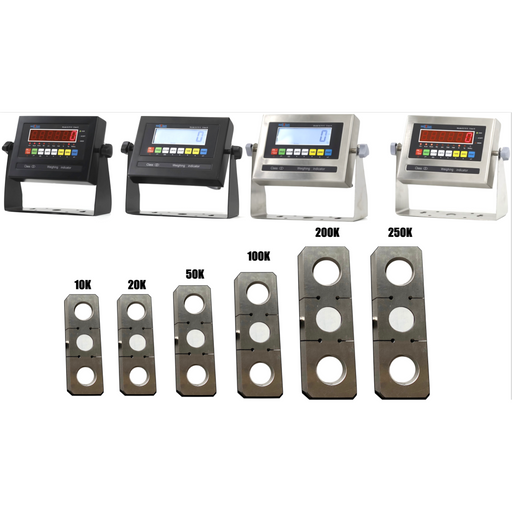
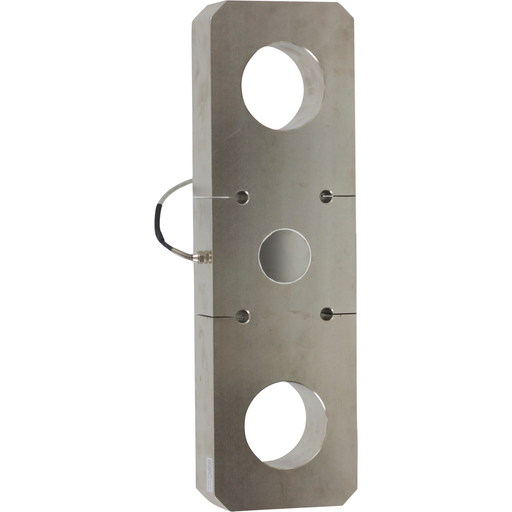
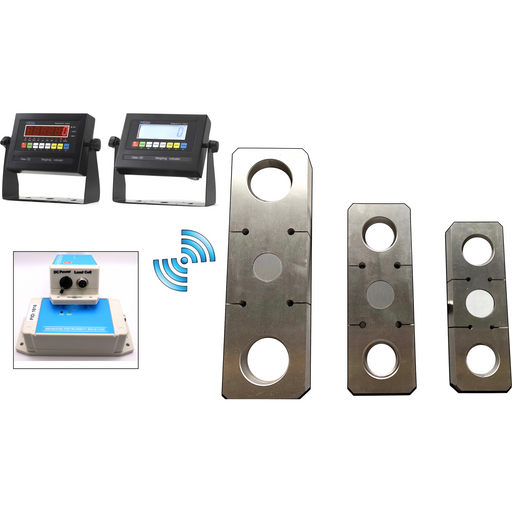
A tension link scale is a compact, low-profile load measuring device designed to be inserted inline between a hook, shackle, or lifting point and the load. Unlike a full crane scale housing with an integrated display, a tension link load cell is typically used with a separate weight indicator or remote display unit. Tension link designs are preferred in overhead crane applications where the compact form factor, high capacity, and minimal height loss are priorities, such as in steel mills, shipyards, and heavy lifting operations where headroom is limited.
What capacities are available for overhead crane scales?
Crane scales in this collection range from lighter-duty models suited to warehouse picking, parts weighing, and material handling up to high-capacity tension link units for heavy industrial and marine lifting applications. Capacity selection depends on your maximum anticipated load, with a general recommendation to select a scale rated for at least 1.25 times your expected peak load to account for dynamic forces during lifting. Contact the Liberty Scales technical team if you need guidance matching capacity to your specific application.
Can I use a crane scale outdoors or in harsh environments?
Many crane scales and tension link models in this collection are rated for industrial outdoor and wet environments. Key factors to check are the IP (Ingress Protection) rating, which indicates resistance to dust and moisture, and the housing material. Stainless steel housing models are appropriate for food processing, marine, and washdown environments. For chemical exposure, high-humidity, or corrosive environments, contact us to confirm suitability before purchasing.
How do I read the weight on a crane scale during a lift?
Most digital crane scales include an integrated LED or LCD display visible from ground level during a lift. Many also support wireless remote display systems, allowing the crane operator or spotter to read weight without approaching the suspended load. For tension link scales without an integrated display, a handheld or panel-mounted weight indicator is connected via cable or wireless transmitter. If your application requires data logging or integration with a control system, look for models with RS-232 or analog output capability.
Do crane scales need calibration?
Yes. Crane scales and tension link load cells require periodic calibration to maintain accuracy, particularly after heavy overloads, significant temperature changes, or impact events. Calibration is performed using certified test weights or a calibrated reference device. For NTEP legal-for-trade or regulated weighing applications, calibration must be performed by a certified technician using traceable weights. For process control and internal use, operator calibration using known loads is typically sufficient. Liberty Scales recommends annual calibration as a baseline maintenance practice.
What is the difference between a crane scale and a floor scale for weighing heavy loads?
A floor scale requires placing the load on a platform at ground level, which means the load must be set down, weighed, and picked back up. A crane scale eliminates this step by weighing the load while it is suspended, making it the efficient choice in receiving, shipping, and production environments where loads are already being lifted. For loads that are impractical to set on a platform scale, such as large coils, tanks, or bulk containers, a crane scale or tension link is often the only viable option.
Are there crane scales suitable for NTEP legal-for-trade applications?
Some overhead weighing applications require NTEP-certified or legal-for-trade equipment, particularly in commercial shipping, scrap recycling, and commodity sales where weight is used for billing or regulatory compliance. Check the product specifications for NTEP certification if your application requires it. For non-commercial internal use, standard industrial crane scales provide the accuracy needed for production and inventory purposes. If you are unsure whether your application requires legal-for-trade certification, contact the Liberty Scales team for guidance.